
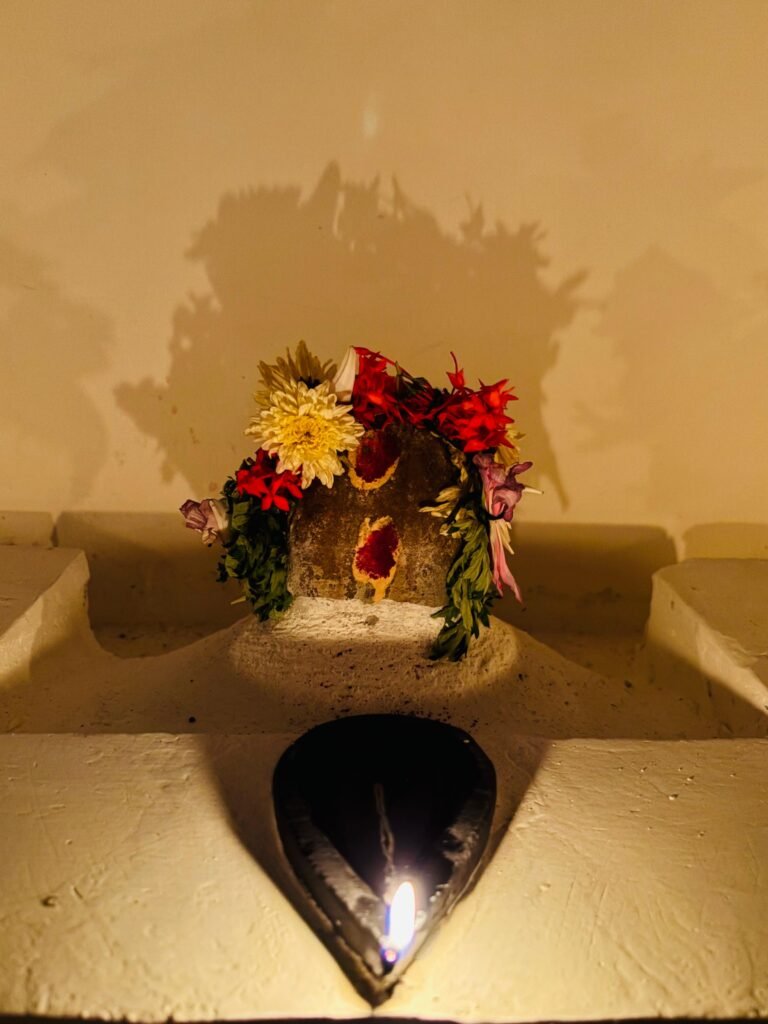
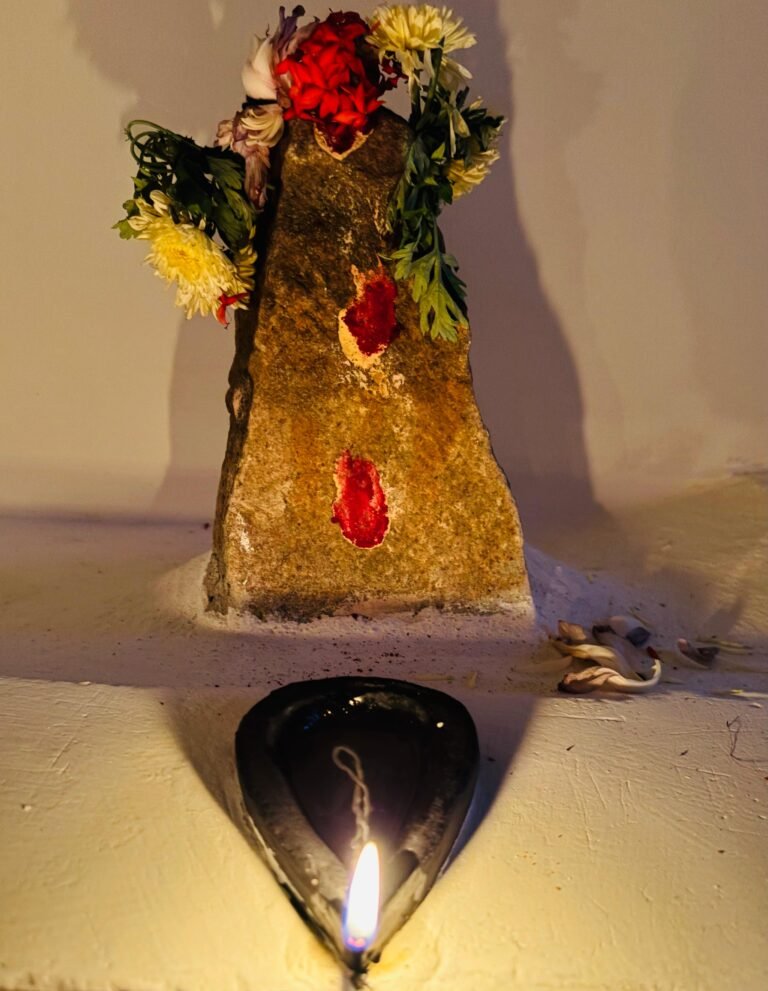
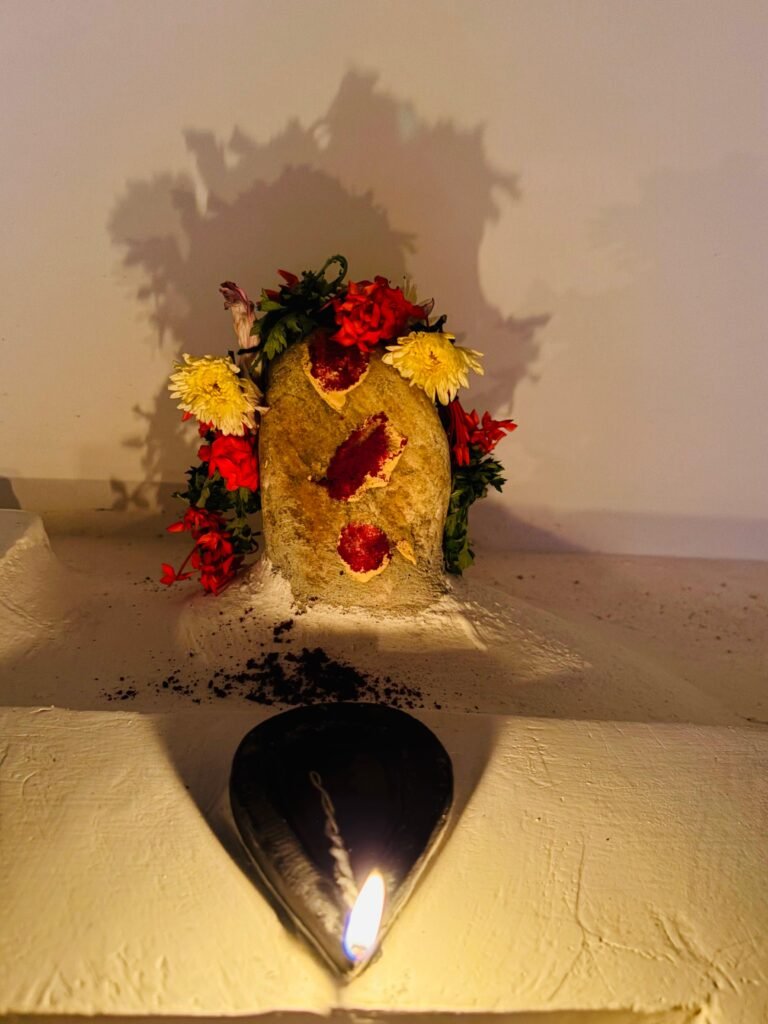
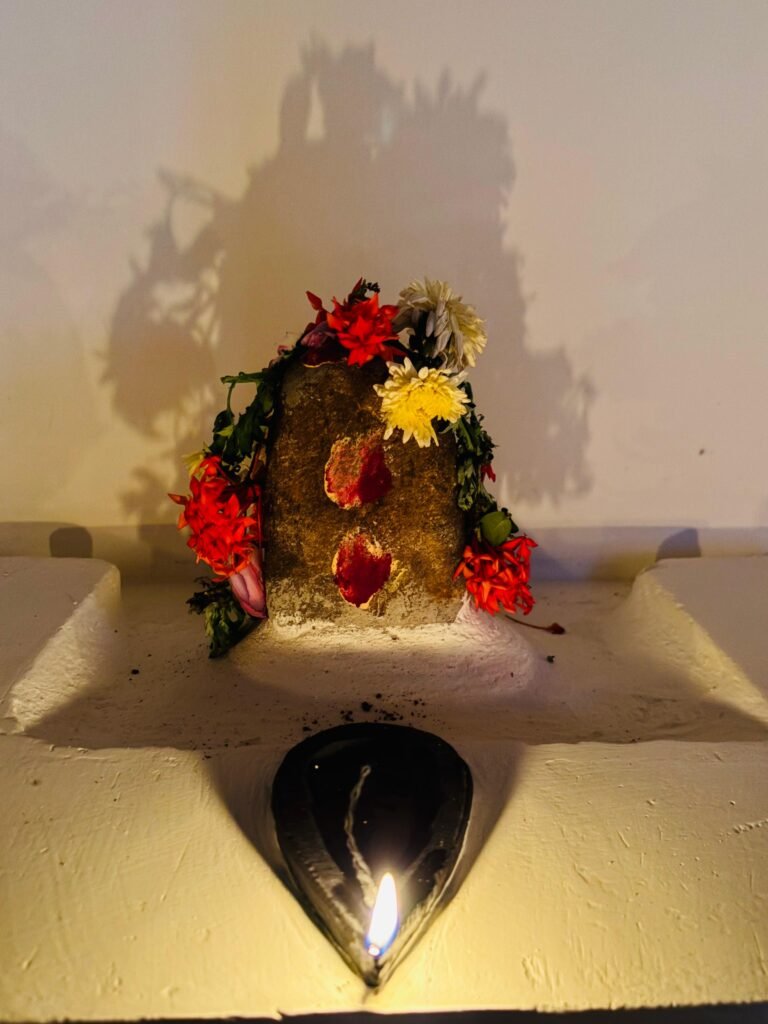
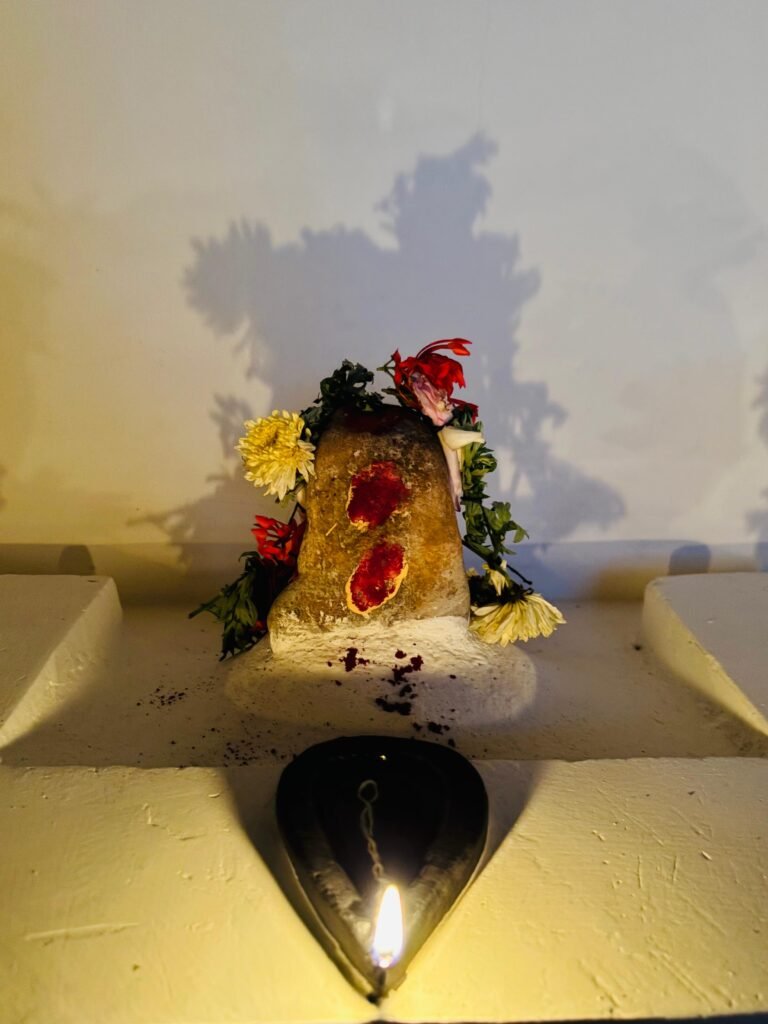
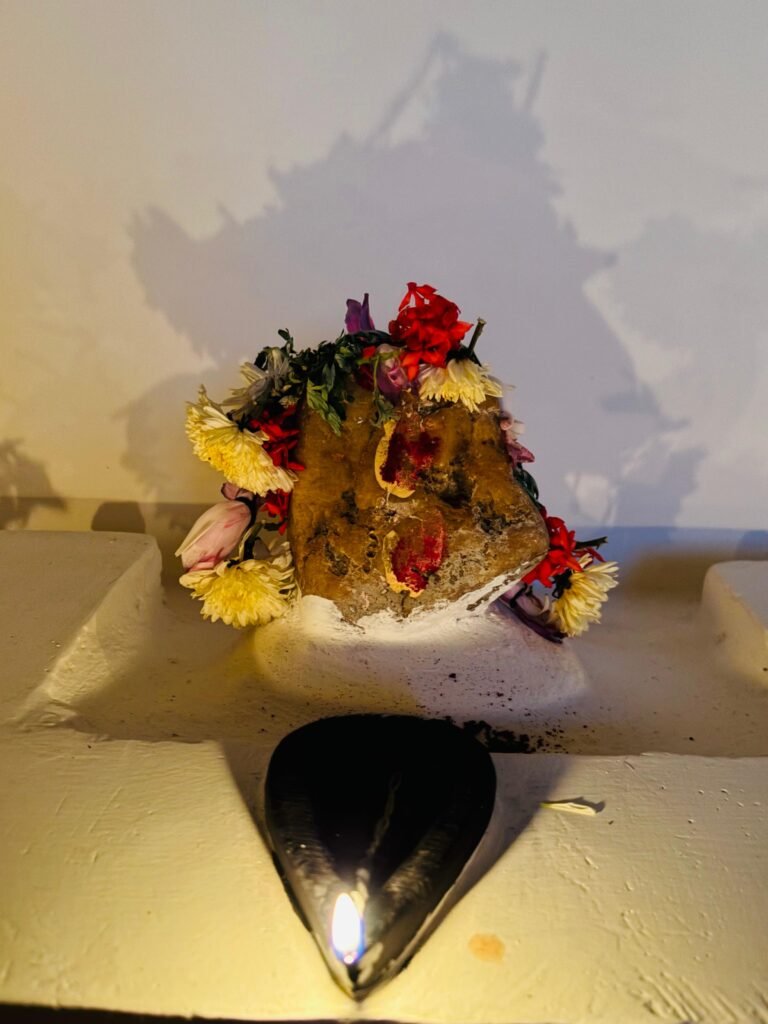
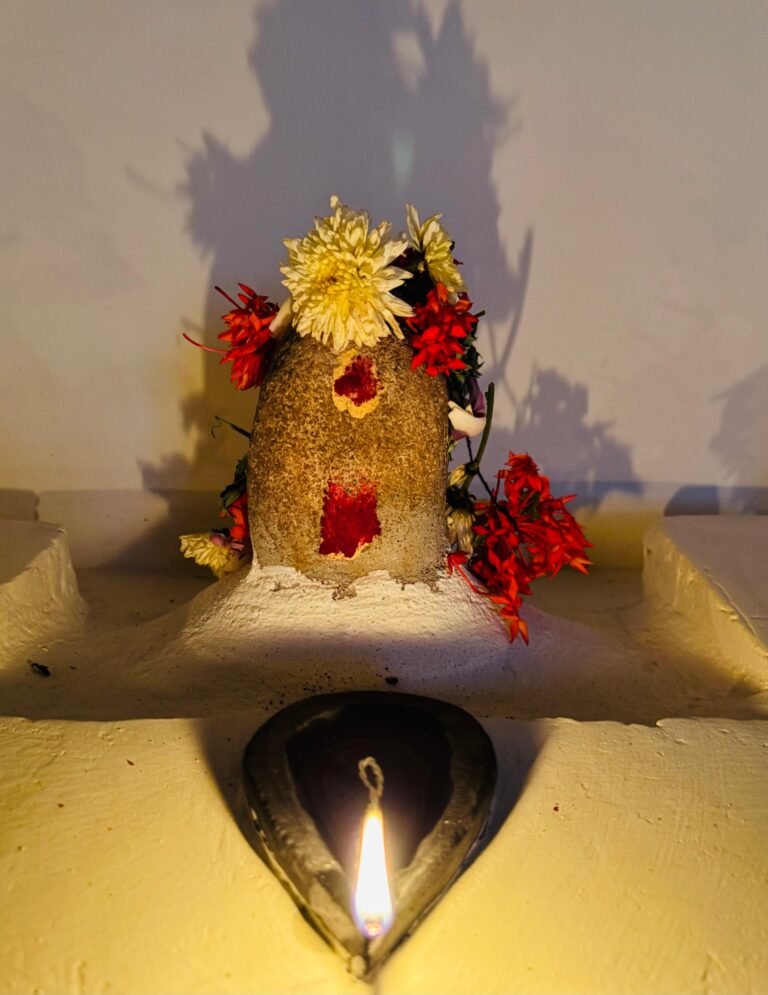
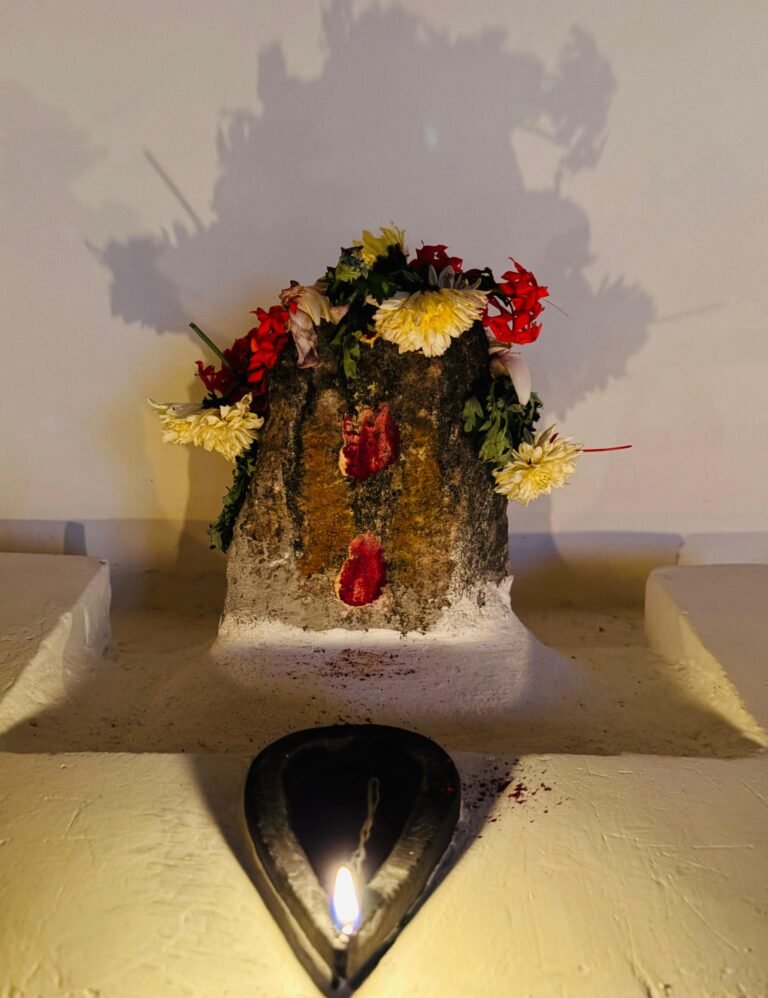
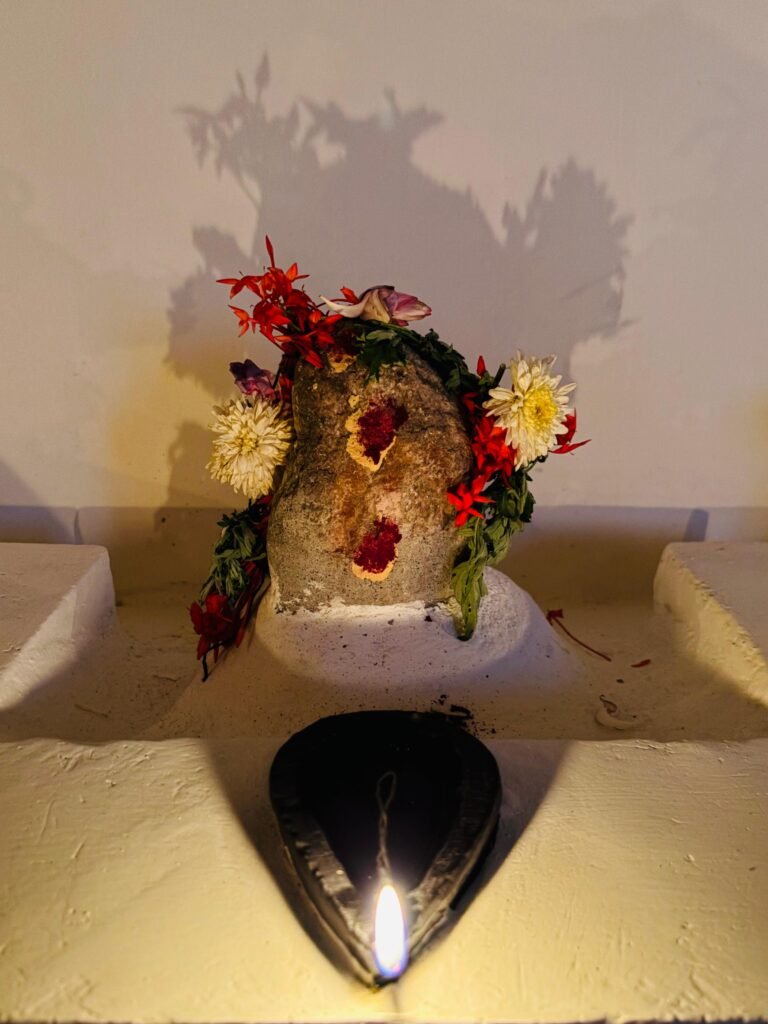
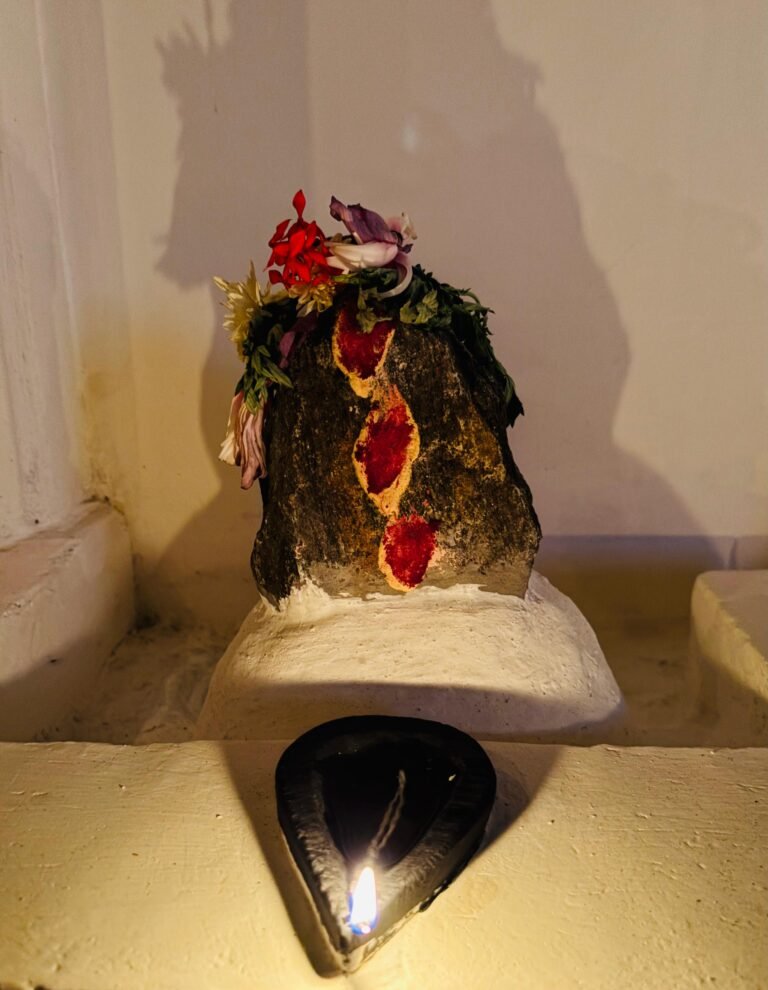
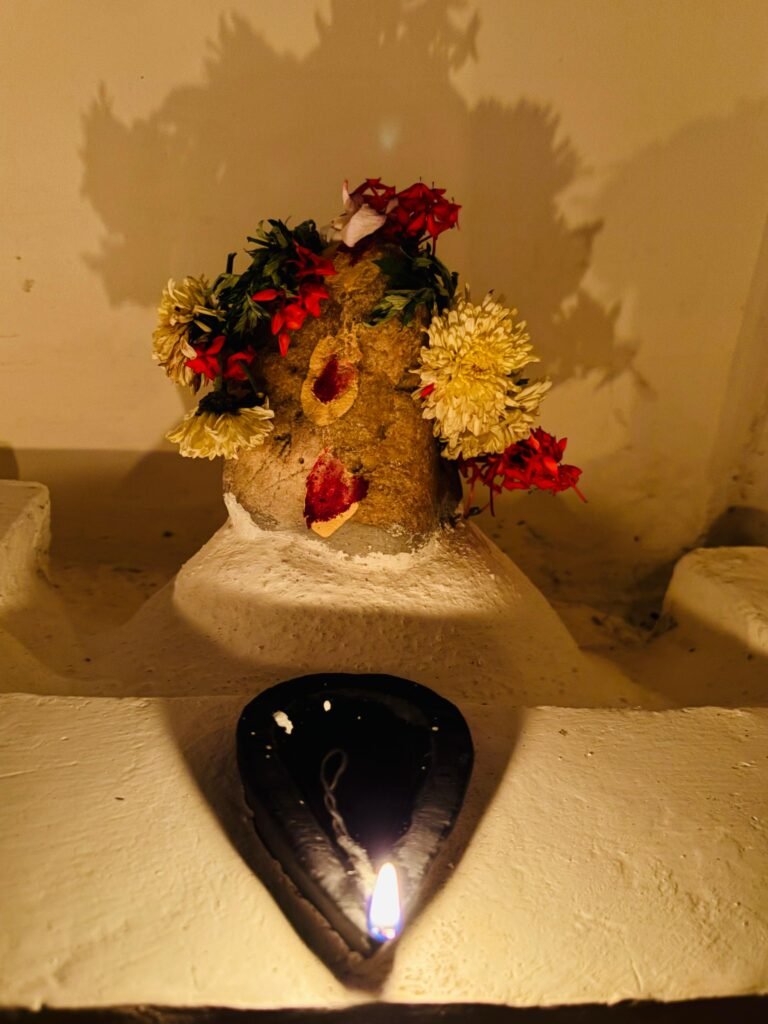
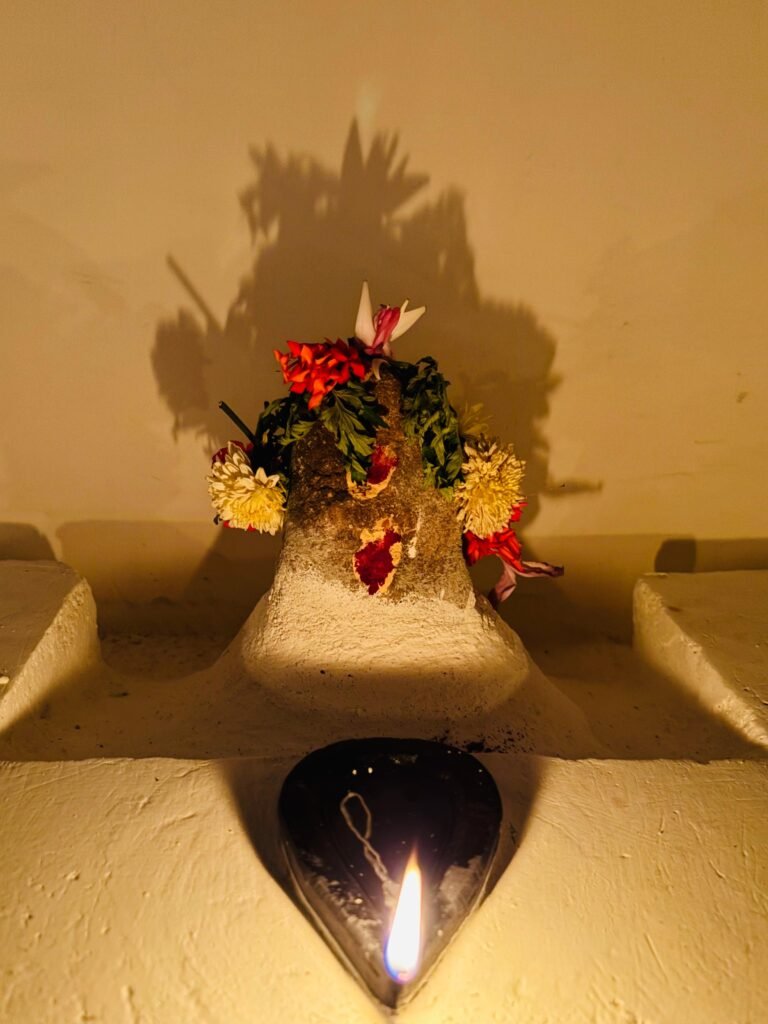
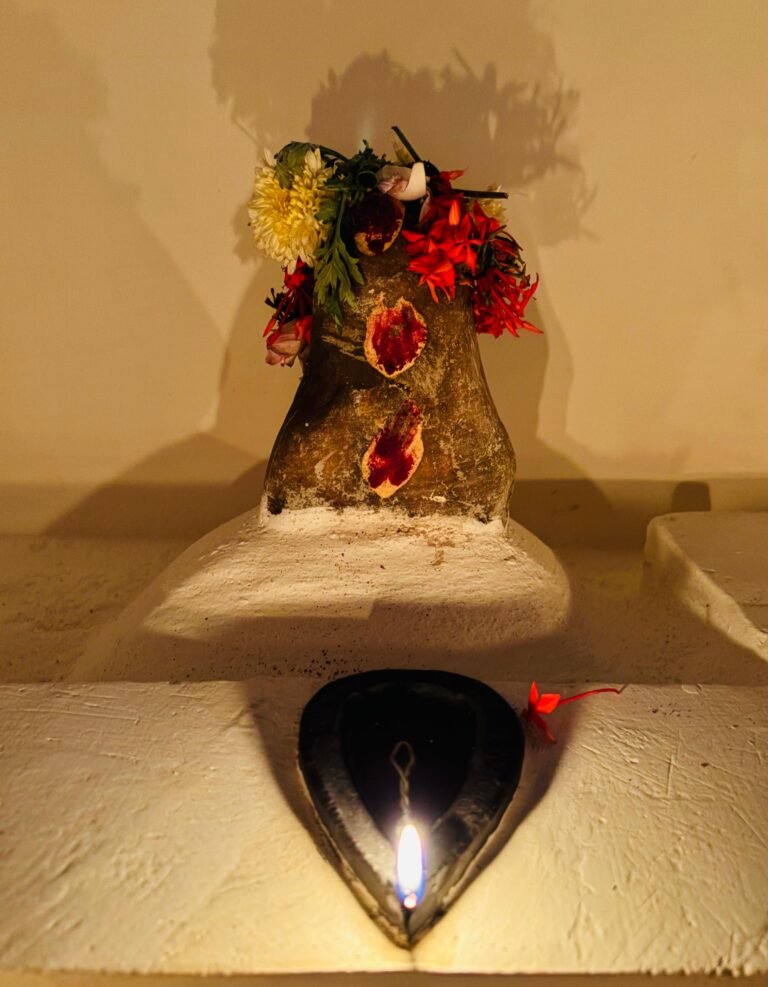
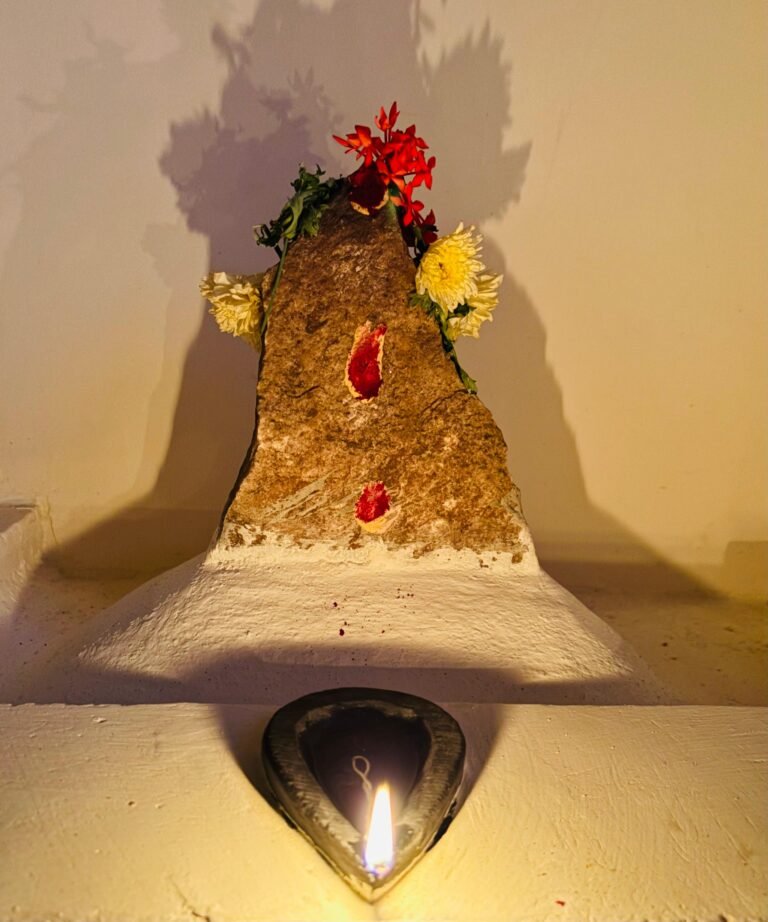
18 Chathan Murties – The Chathan Tradition: The 390 Chathans
When discussing divine and semi-divine ganas such as Yakshas, Rakshasas, Guhyakas, Bhutas, Pretas, Pishachas, Vetalas, Kali, Chamunda, Yogini, Bhairavas, etc., tradition generally does not provide a fixed total number for their existence. The commonly known groups of 8, 16, 18, 32, or 64 are not considered the entirety of their respective classes. Rather, they represent selected manifestations, prominent forms, or specially revered groups drawn from a much larger population.
The Chathan tradition, however, preserves a unique understanding.
Across various traditions and sampradayas associated with Chathan worship, one foundational teaching remains remarkably consistent. It is traditionally held that there originally existed 400 Chathans. During a pivotal event connected to Vishnumaya Chathan, ten Chathans willingly sacrificed themselves for him. As a result, the number of Chathans came to be understood as 390.
Tradition further teaches that these ten Chathans did not simply cease to exist. Having offered themselves for Vishnumaya Chathan, they became inseparably united with him. Thus, their power, presence, and essence are understood to abide within Vishnumaya Chathan himself.
This understanding is found across multiple streams of the Chathan tradition. While practices, mantras, and ritual approaches may differ from one lineage to another, certain foundational teachings remain shared, and this account of the four hundred Chathans and the remaining three hundred and ninety is one such commonly preserved tradition.
Another figure who occupies a uniquely exalted position within the Chathan tradition is Mookkan Chathan.
Although Vishnumaya Chathan and Karimkutti Chathan are often revered as kings among the Chathans, Mookkan Chathan is accorded a status that stands alongside, and in some traditions even beyond, such distinctions. He is not merely regarded as one among many Chathan manifestations. Rather, Mookkan Chathan is traditionally understood as the collective embodiment of all Chathan Murties. He represents the unified presence of the Chathan principle itself and is therefore revered with exceptional regard in many streams of worship. For this reason, his position within the Chathan tradition remains both unique and profound.
In the sections that follow, we shall explore the various Chathan Murties and the different sets of Pathinettu Chathanmar preserved in tradition before presenting the specific set of Eighteen Chathan Murties we worship at Kanchana Pitham.
By the grace of Kalika and the merit of purva janma sukrta, our Chidakasha Bhairava was blessed with the opportunity to learn and receive initiation into three distinct traditions of Chathan Vidya.
Among these, one tradition is rooted extensively in Kshudra Vidya and approaches the Chathan Murties primarily through that framework. The remaining two traditions, while also belonging to the broader stream of Kshudra Vidya, preserve a markedly different theological understanding.
In these traditions, the various Chathan Murties are not viewed merely as independent entities or spirits. Rather, they are revered as Shiva Putras—divine manifestations operating under the authority and grace of Mahadeva.
A distinguishing feature of these two sampradayas is the central place accorded to the Shiva Panchakshari Mantra. The Panchakshari is regarded as the very heart (hridaya) of the tradition, forming the spiritual foundation upon which the worship, sadhana, and understanding of the various Chathan Murties are built.
While the ritual methods, mantra paddhatis, and specific practices may vary among these traditions, they are united by the understanding that all Chathan Murties ultimately derive their power and authority from Mahadeva and are to be approached with the reverence due to the children of Shiva.
In one tradition – we worship Vishnumaya Chathan along with 16 Kuttichathans and they are as follows:
Kuttichathan
Agnikkuttichathan
Pookkuttichathan
Idankuttichathan
Valankuttichathan
Perumkuttichathan
Mantrakuttichathan
Mayakuttichathan
Chathakutti
Manikkakkuttichathan
Ekapadhakuttichathan
Valpadhakuttichathan
Mayorkuttichathan
Veerakkuttichathan
Karimkuttichathan &
Kuttikuttikuttikutti kuttichathan
In this same sampradaya – they will follow worshipping 18 chathan murties as well while worshipping Karimkutti Chathan and those 18 chathan murties are as follows –
Akashakkutti
Ponmudikkutti
Pathalakkutti
Veerakkutti
Karinchathan
Mulakkutti
Mantrakkutti
Neelikkutti
Pulakkutti
Valankutti
Idankutti
Perumkutti
Manikkakkutti
Kuttichatha
Karimpalakkutti
Valpadakkutti
Parvatakkutti &
Chatha
In the other sampradaya – let it be of Vishnumaya chathan or Karimkutti chathan – they worship the below mentioned 18 chathanmars..
Karinkutti
Theekkutti
Pookkutti
Padhirakkutti
Odikkutti
Parakkutti
Venthalakkutti
Neejakkutti
Agnikkutti
Mulakkutti
Edankutti
Valankutti
Patalakkutti
Pookkilakkutti
Oruvesham Kuttichathan
Vellodi Chathan
Kadan kutti &
Mantrakkutti
In another sampradaya also we worship all 18 chathan murties but not under Vishnumaya Chathan or Karimkutti Chathan. They can be worshipped separately also where no risks involved when we worship on their terms & conditions. Worshipping any Swamy or Amba on their terms & conditions is for what Shastras are given to us. Those 18 chathan murties are as below –
Mookkan Chathan
Karinkuttichathan
Vishnumaya Kuttichathan
Parakkuttichathan
Odikkuttichathan
Mayakkuttichathan
Agnikkuttichathan
Parachamundi chathan
Agnikkutti bhairavan
Kalaka kuttichathan
Marana chathan
Marana bhairavan
Marana kuttichathan
Parachamundi Bhairavan
Kalaka Bhairavan
Maya Bhairavan
Agni Padhirakkuttichathan &
Bhrammada kuttichathan
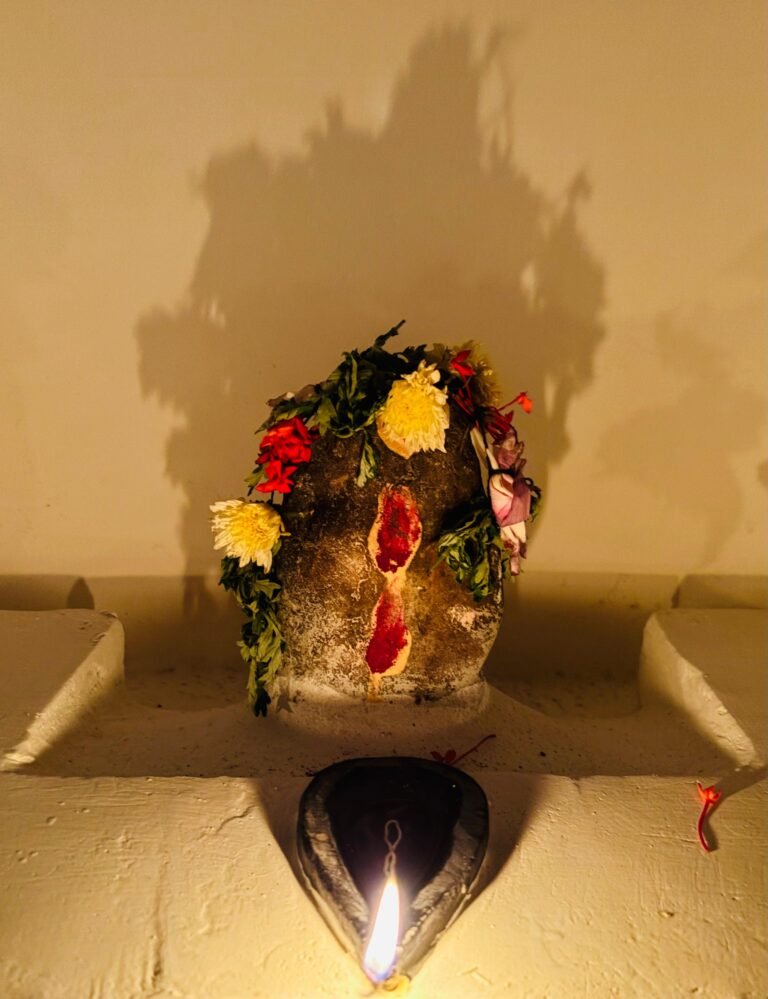
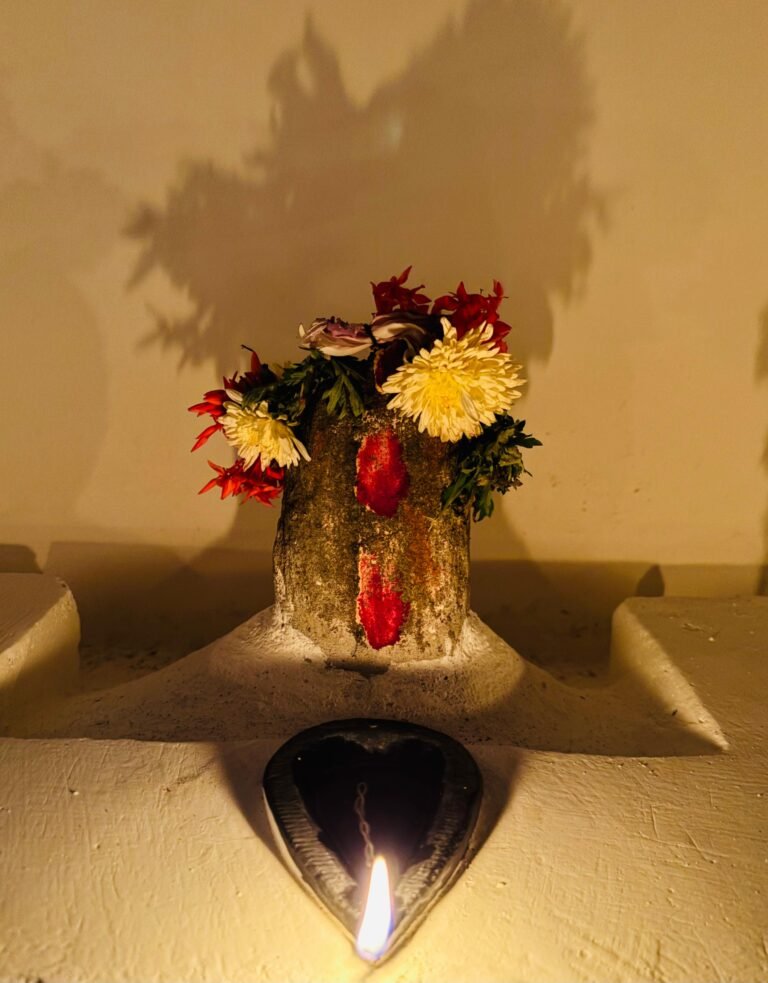
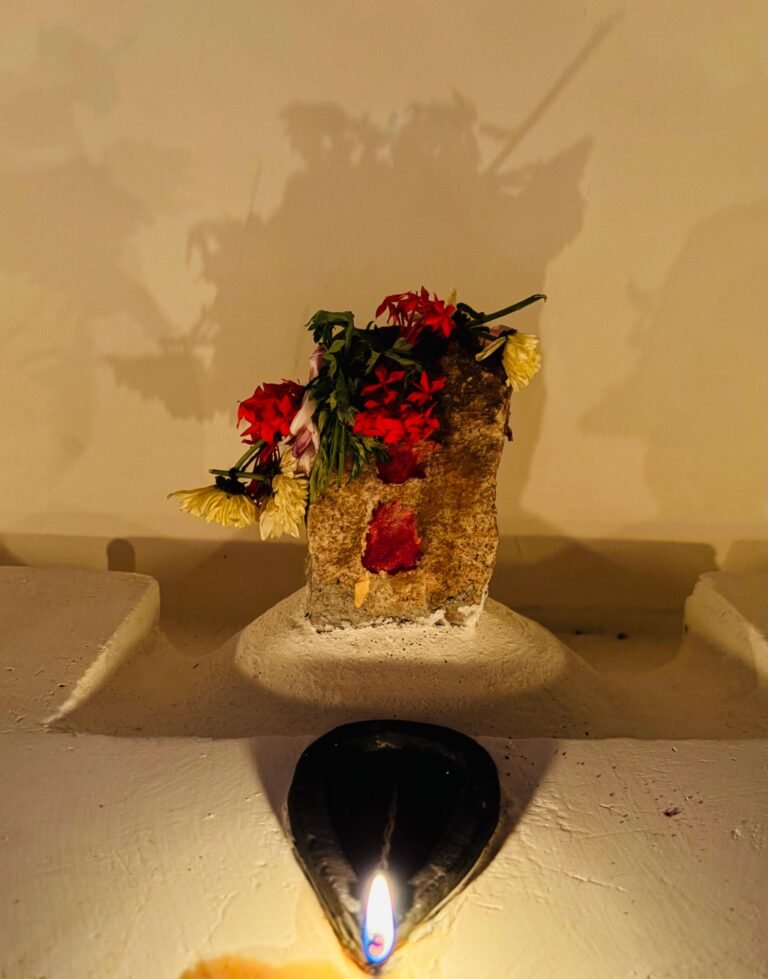
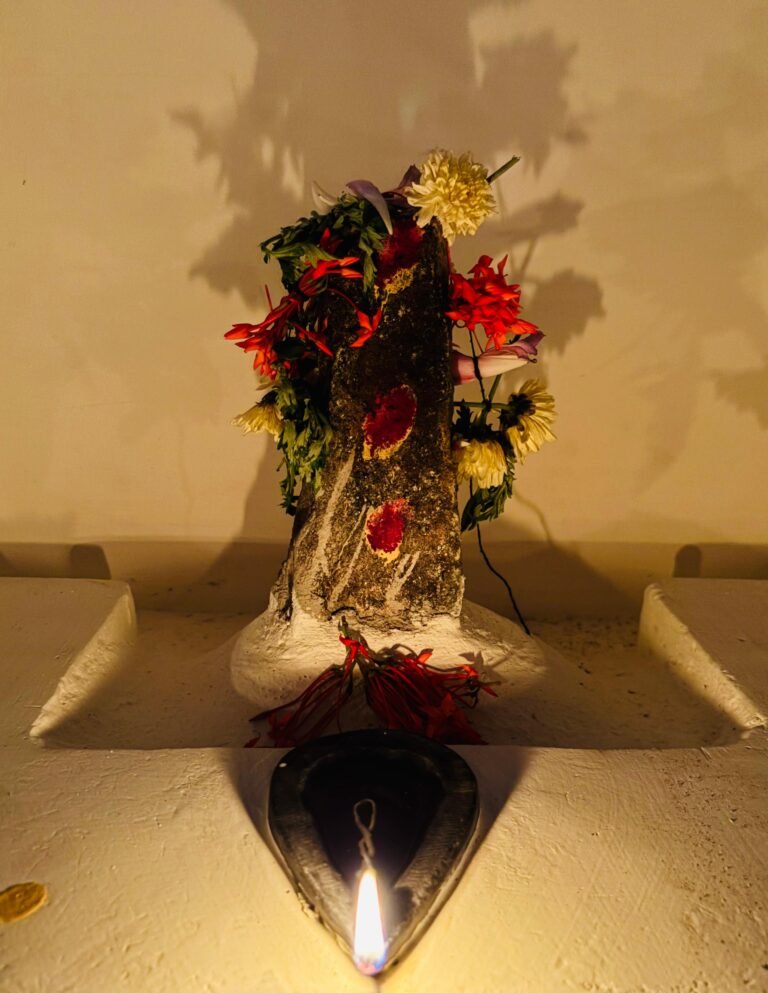
These are the 18 Chathan murties that are consecrated in our Kanchana Pitham.
Let’s see a brief about the 16 chathan murties –
About Vishnumaya Chathan & Karimkutti Chathan – we already have made a post here.
Mookkan Chathan – Mookkan Chathan is traditionally regarded as an amsha of Shiva, Vishnu, and Brahma, which is why he occupies an exceptionally exalted position within the various Chathan Vidyas. He is considered the elder among the Chathan Murties. Like Vishnumaya Chathan and Karimkuttichathan, he is revered as a bestower of auspiciousness, prosperity, and protection. Tradition further teaches that his fiery eyes twitch upon beholding those who seek to harm his devotees, and that the very fire arising from his gaze compels such adversaries to abandon their hostility and become subdued.
Parakkutti –
Parakkutti is traditionally described as being born immediately below the sthaana of Karimkuttichathan. He is depicted with large tusk-like teeth, a twisted moustache, and powerful eyes. He carries a khadvanga in his right hand and a coconut shell filled with liquor in his left hand, while a garland made of coconut shells adorns his body.
Tradition accords him the title of “Parabhairava.” This title should not be confused with the distinct Para Bhairava worshipped in other streams of Chathan Vidya or within Bhairava Tantra. It is said that Parakkuttichathan manifests accompanied by the sound of the Omkara.
Odikkutti –
Odikkutti is depicted carrying an iron pestle in his right hand and a bowl containing the blood and flesh of enemies in his left hand. Tradition describes his method of pursuing adversaries in a very specific manner. It is said that he approaches from the right side of the adversary, forces him towards the left, breaks his limbs, and ultimately destroys him.
Mayakkutti – Mayakkutti is traditionally invoked not only in matters concerning adversaries but also in the handling of various doshas and obstacles. It is said that he traverses the four lokas in pursuit of an adversary, tears him apart in a manner reminiscent of Nrusimha’s destruction of Hiranyakashipu, burns the remains, and scatters the ashes into the air.
Agnikutti –Tradition teaches that during the sixteenth nazhika after sunset, Agnikkutti dances wildly while flinging fire in all directions. It is said that when worshipped through the prescribed prayoga krama, he afflicts adversaries with an intense burning sensation that gradually increases over time and cannot be relieved through ordinary means.
Parachamundi Chathan – Parachamundi Chathan is traditionally described as functioning in a manner similar to Mayakkuttichathan. It is said that he pursues adversaries with great ferocity and tears apart their bodies. Unlike Mayakkuttichathan, however, tradition teaches that his work concludes at that stage.
Agnikutti bhairavan – He carries aruvaal (similar to the one karuppa swamy holds) in his right hand and a bowl with blood & meat of enemies in his left hand. And, he destroys the enemies of the practitioner in various ways based on his mood.
Kalaka Kuttichathan – Kalaka Kuttichathan is traditionally said to function in a manner similar to Mayakkuttichathan. However, rather than destroying an adversary, his role is described as one of intimidation and subjugation. It is said that he compels hostile individuals to abandon their opposition and become submissive.
Marana Chathan & Marana Bhairavan – Similar to Parachamundi Chathan.
Marana Kuttichathan –
Marana Kuttichathan is traditionally believed to carry out his work in his own distinctive manner. According to the sampradaya, elaborate prayogas are not always required for his intervention. It is said that sincere invocation accompanied by offerings pleasing to him during worship is often sufficient for him to act.
Parachamundi Bhairavan –
Parachamundi Bhairavan is depicted as a fierce murti carrying a trishula in his right hand and a bowl of blood and flesh in his left hand. Tradition teaches that the Shiva Panchakshari Mantra occupies a central place in the prayogas associated with him and serves as the heart of his worship.
Kalaka Bhairava & Maya Bhairavan – Similar to Parachamundi Chathan.
Padhirakkutti – Tradition teaches that Padhirakkuttichathan traverses all seven lokas in pursuit of an adversary. As with several other Chathan Murties of this sampradaya, the Shiva Panchakshari Mantra is regarded as the spiritual foundation and heart of the associated prayoga.
Bhramada Kuttichathan – Bhrammada Kuttichathan is traditionally described as visiting the shmashana during the sixteenth nazhika after sunset. It is said that he takes shmashana bhasma, applies it over his body, and roams amidst terrifying sounds and laughter. Tradition further teaches that he deals with adversaries according to their karma phala. Depending upon the dharma phala they earned, he may either destroy, restrain, or subjugate them.
Conclusion
The Chathan tradition is vast, layered, and often misunderstood. While many people encounter only fragments of these traditions through folklore, local stories, or popular depictions, the actual Chathan Vidyas preserved within traditional sampradayas are far more profound and structured.
As we have seen, different traditions preserve different sets of Pathinettu Chathanmar. Some worship them under Vishnumaya Chathan, some under Karimkutti Chathan, while others worship the Chathan Murties independently also. Despite these differences, the underlying principles, reverence, and traditional frameworks remain intact.
The Eighteen Chathan Murties consecrated and worshipped at Kanchana Pitham belong to a living Mayon Parampara. They are not approached as mere folklore figures, nor as entities to be invoked casually, but as sacred manifestations who function within a well-defined spiritual and ritual framework.
It must also be understood that every Chathan Murti possesses his own nature, preferences, responsibilities, and mode of operation. Just as every Devata within Sanatana Dharma has a prescribed method of worship, the Chathan Murties too are to be approached only through their proper traditions, disciplines, and observances. When worshipped according to their own terms and conditions as laid down by the sampradaya, they become powerful protectors and benefactors of the devotee.
Above all, the Sanatana Dharma remind us that the spiritual universe is far more diverse than what is commonly understood. Behind every mantra, every murti, and every sampradaya lies a vast body of wisdom preserved through generations of practitioners. It is through humility, discipline, devotion, and adherence to tradition that one becomes worthy of approaching these sacred vidyas.
May the grace of Vishnumaya Chathan, Karimkutti Chathan, Mookkan Chathan, and the Eighteen Chathan Murties bless all sincere seekers with protection, clarity, courage, and auspiciousness.
